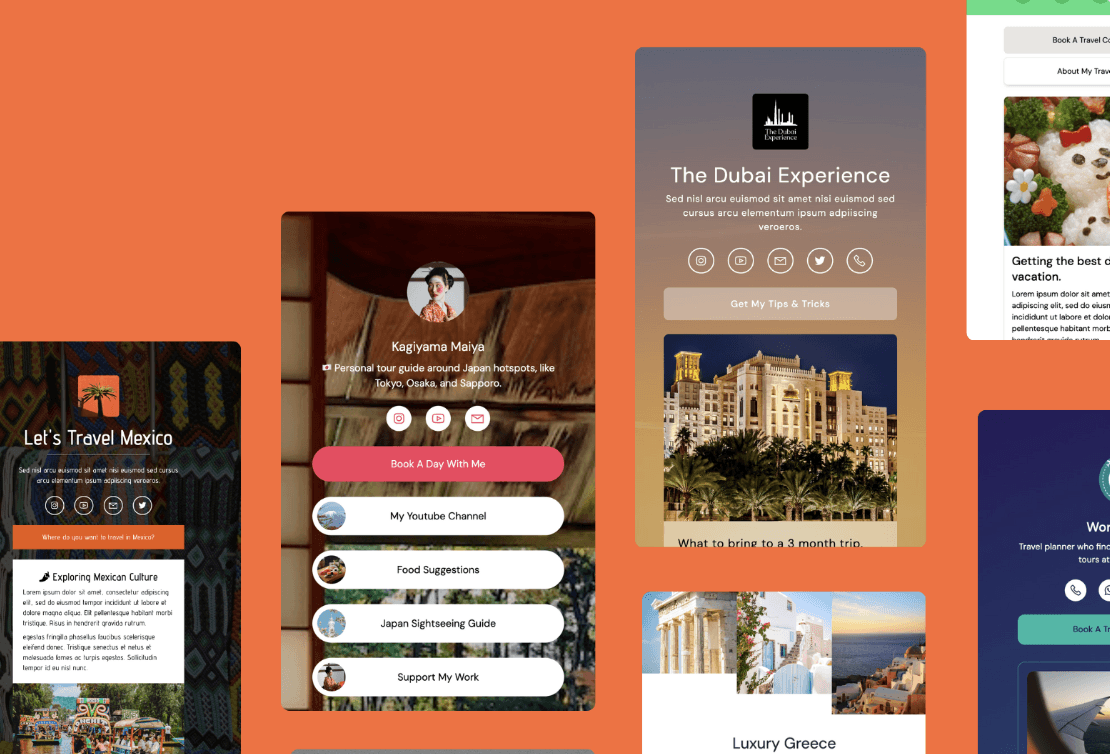
designing 30 screen cards for independent travel agents — and the system behind them.
TIMELINE
Summer 2023
ROLE
product design intern
TEAM
cmo, cto, 2 software engineers, customer support
about the job
travel agency tribes is a canadian company that helps independent travel agents build a professional digital presence. i designed a library of 30 customizable screen card templates — and the modular system that makes them all hold together.
the product reached 1,500+ agencies at launch and is built to scale well beyond 30 templates without a redesign.
THE PROBLEM
the tools that already existed didn't fit.
carrd was fast but flat. linktree was too minimal — a list of links doesn't make someone trust you with their vacation. squarespace could do everything, but most solo agents don't have time to become page builders.
the gap: something lightweight enough to set up in an afternoon, but rich enough to actually feel like a brand.
RESEARCH
i'd seen this friction firsthand.
carrd was fast but flat. linktree was too minimal — a list of links doesn't make someone trust you with their vacation. squarespace could do everything, but most solo agents don't have time to become page builders.
the gap: something lightweight enough to set up in an afternoon, but rich enough to actually feel like a brand.
what i pulled from the competitors

Carrd
extremely fast setup, modular, but visually flat — lacked depth or destination-rich layouts.

LinkTree
great for creators — but too minimal for agencies selling photos, packages, and trust.

Squarespace
great for creators — but too minimal for agencies selling photos, packages, and trust.
DESIGN
i wasn't designing 30 templates. i was designing one system.
treating this as a modular design system — not 30 isolated screens — changed everything about how i approached it.
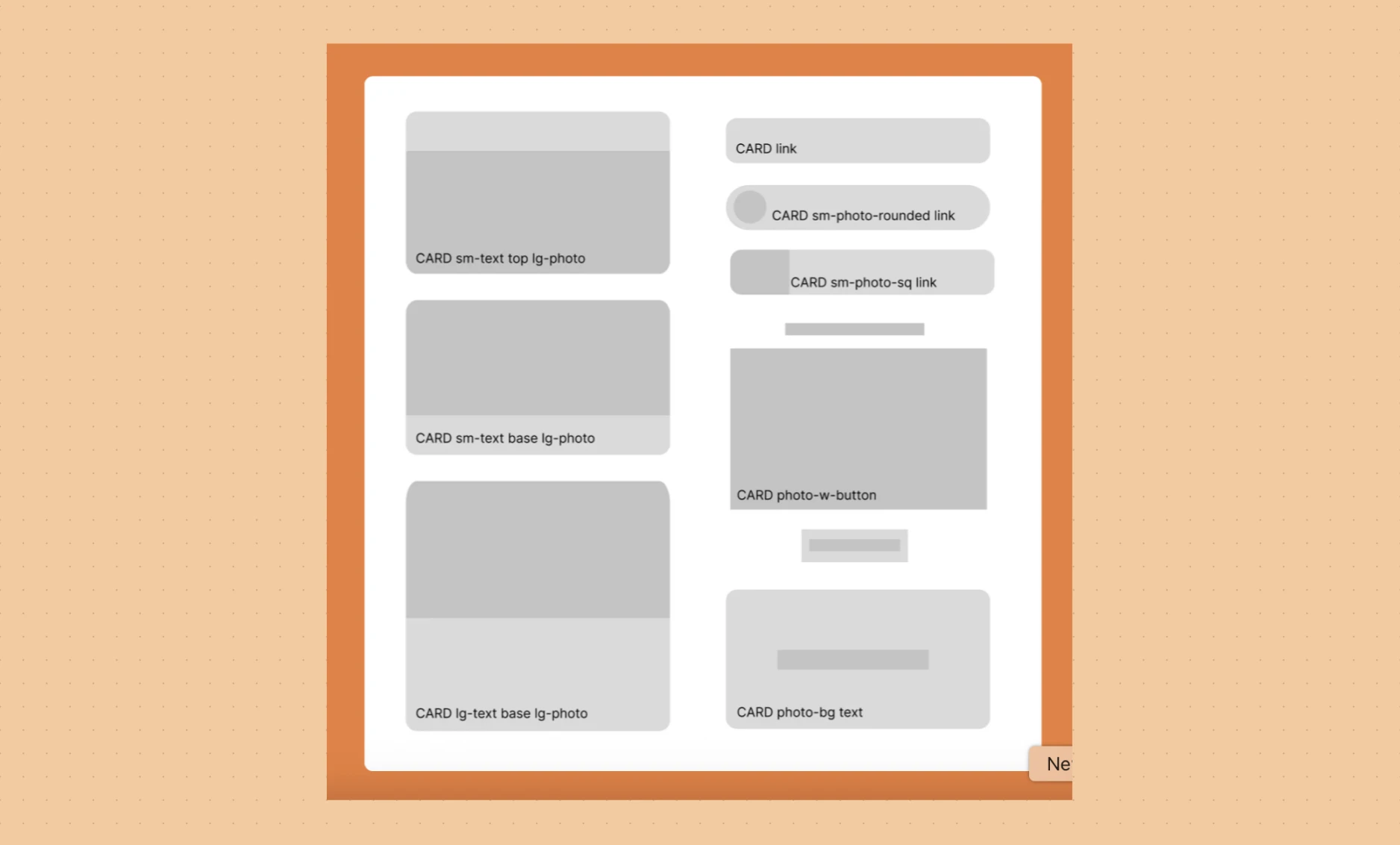
i built a reusable component library first: headers, hero images, cta blocks, link rows, testimonials, social buttons. a consistent spacing and typography scale kept everything feeling like one product, even across wildly different layouts.
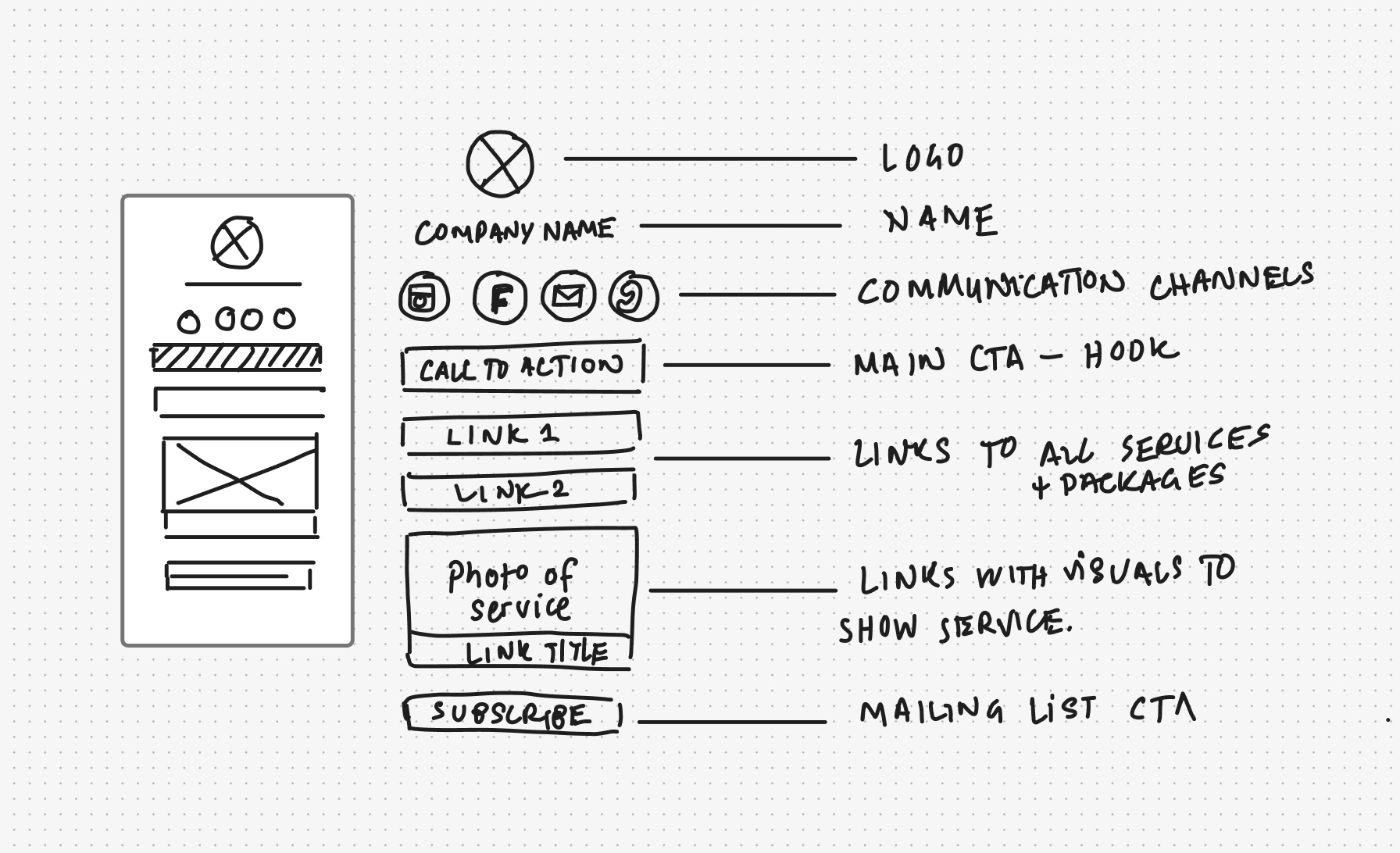
the result: 30 templates now, with a clear path to 100+ later — without rebuilding from scratch.
travel as inspiration
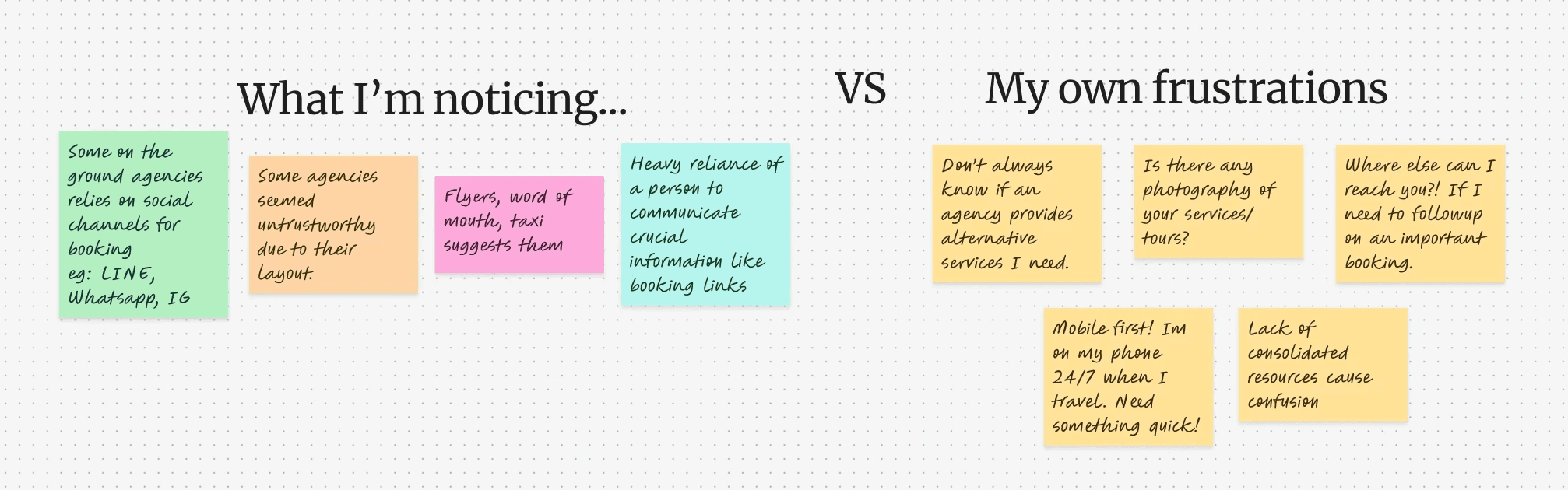
traveling opened my eyes to how people interact with hotels, agencies, and service industries across different cultures.
through my experiences in Asia, I observed both industry practices and customer frustrations, which shaped my understanding of what travelers really need.
every template was designed to be scanned, not read.
travelers don't scroll. they glance, tap, and decide.
the cta lived at the top of every card. copy was kept minimal. typography hierarchy did the heavy lifting so agents didn't have to write perfectly formatted content every time.
structure gave agents confidence. customization made it theirs.
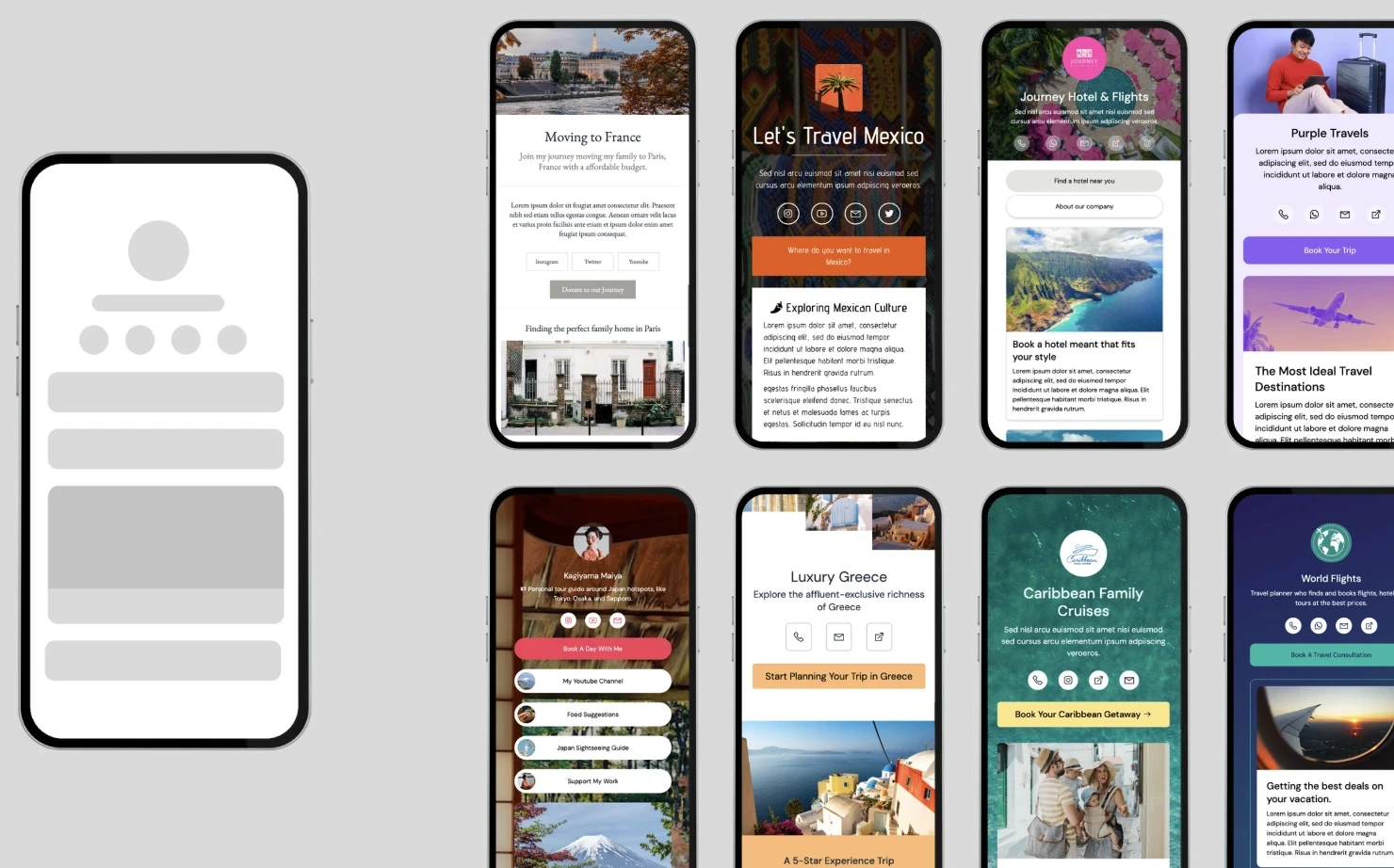
someone selling luxury greece escapes and someone running caribbean family cruises needed to feel like completely different businesses — even starting from the same template.
agents could swap color themes, replace photos, toggle sections on or off, and choose which channels to highlight. the templates provided the structure. customization let them own the result.

TESTING
most things worked. some things broke.
we tested with agents already partnering with tat. stress testing found the edge cases i hadn't fully designed for.
some agents uploaded dense unformatted bios. some had unusually long service titles. the templates started to look rough under real conditions.
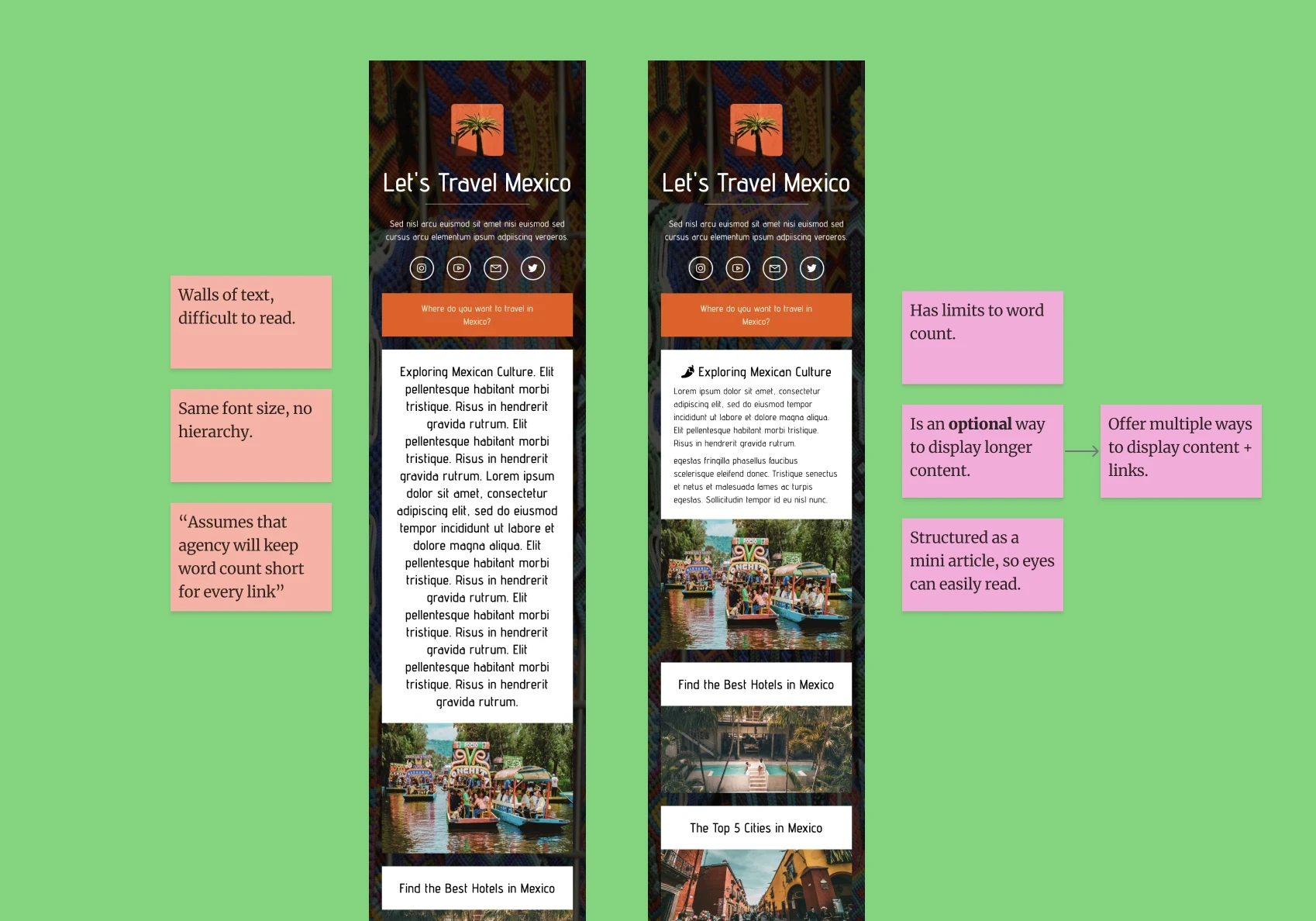
the fix wasn't asking agents to write less.
it was building the system to handle when they didn't.
i added character limits on title fields, introduced alternative card components for longer content, and gave agents multiple ways to display information — a mini-article format instead of a link row, for instance.
DEVELOPMENT
design led, but nothing shipped alone.
working with the marketer helped me understand what agents actually needed to communicate — including making sure whatsapp buttons were prominent. it was the channel most agents relied on.
with the backend engineer, i made sure components mapped cleanly to the database so agents could enter content once and see it flow into any template.
the implementation used a reusable component system in tailwind css and javascript, built to stay maintainable as the library grows.
FINAL DESIGNS + TAKEAWAY
1,500+ agencies. one system.
working with the marketer helped me understand what agents actually needed to communicate — including making sure whatsapp buttons were prominent. it was the channel most agents relied on.
with the backend engineer, i made sure components mapped cleanly to the database so agents could enter content once and see it flow into any template.
the implementation used a reusable component system in tailwind css and javascript, built to stay maintainable as the library grows.
1,500+
travel agencies received access at launch
solo agents
especially reported setup felt enjoyable, not overwhelming
30+
templates made in a modular component system for scalability
DEVELOPMENT
what i learned
design for the chaos, not just the ideal.
most agents used the templates exactly as intended. but some uploaded a paragraph they wrote on their phone at midnight. the design had to hold up for that person, not just the careful one.
building tolerance into the system — constraints, guardrails, adaptive components — turned out to be just as important as the visual design itself.
— if i had more time: i'd expand the component library to include adaptive blocks that flex based on content density, so a short bio and a long one both look considered in the same template.